Key Takeaways:
- Clear, transparent communication about data use is a primary driver of whether consumers adopt and engage with health technologies.
- Ongoing media coverage of data misuse, regulatory gaps, and app privacy risks is reinforcing skepticism, making proactive messaging essential.
- Strong security practices support adoption, and companies that translate privacy into clear, user-centric value drive stronger engagement and growth.
Health Data Adoption Depends on Trust
Health data sits at the center of healthcare’s next frontier. AI-powered diagnostics, personalized medicine, and remote monitoring are reshaping how care is delivered. These innovations promise improved outcomes, lower costs, and more proactive care models.
Adoption continues to lag behind innovation. Trust remains one of the most significant barriers to widespread use of digital health technologies.
Consumers evaluate health technologies through both functionality and perceived risk. Privacy concerns influence whether users adopt, continue using, or assign value to these tools.
The Trust Paradox in Digital Health
Consumers recognize the benefits of sharing health data and remain and remain cautious about how that data is handled. Research consistently shows that privacy concerns are one of the strongest barriers to adoption of digital health technologies.
A 2025 systematic review found that trust directly influences whether consumers adopt, continue using, or even perceive value in digital health tools. Perceived risks reduce trust and limit engagement.
A decentralized clinical trial innovator, Science 37, improved stakeholder adoption by reframing its decentralized trial platform through clearer, patient-centered messaging. This example demonstrates that even strong innovation requires strong storytelling.
Media Narratives Continue to Shape Perception
Media coverage plays a central role in shaping how consumers interpret health data practices.
Recent reporting highlights several recurring concerns:
- 74% of wearable users worry about how their health data is protected
- Investigations into mental health apps found widespread data-sharing practices and weak privacy protections
- Regulatory gaps, particularly for consumer health tools, highlight how sensitive data may fall outside traditional protections like HIPAA
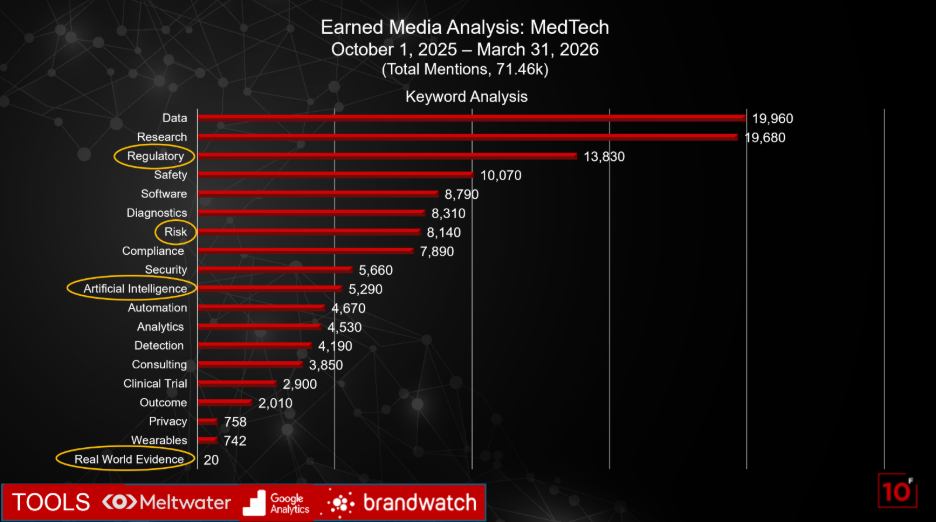
Even as adoption grows, these narratives shape perception. And perception, more than technical capability, determines whether users engage. This imbalance reinforces skepticism, making it harder for even well-designed technologies to earn user trust.
Privacy Messaging Drives Health Data Adoption
Transparency, accountability, and ethical data use are increasingly recognized as drivers of adoption. Organizations that communicate these principles effectively support both trust and growth.
When users trust a platform:
- They are more willing to share sensitive data
- They engage more frequently
- They perceive greater value from personalization
When trust is limited:
- Data sharing decreases
- Engagement drops
- Adoption slows
Clear privacy messaging supports behavior change and reinforces long-term engagement.
The Messaging Gap in Health Technology
Trust depends on understanding. Many health technology companies struggle to communicate privacy in a way users can easily interpret.
Key disconnects include:
- Complexity vs. Clarity: Privacy policies are often dense, legalistic, and inaccessible. Users don’t read them, and when they try, they don’t understand them.
- Features vs. Reassurance: Companies highlight encryption and compliance frameworks but fail to translate what that means for the user’s real-world concerns.
- Control vs. Perception: Users may have control over their data and still feel uncertain about how it is managed. Perception influences trust as much as actual safeguards.
Reframing Privacy to Build Trust
Health technology companies can strengthen adoption by reframing privacy as a core part of the user experience.
- Make Privacy Human: Translate policies into clear language. Explain what happens to data and how it benefits the user.
- Lead with Transparency: Communicate how data is collected, used, and shared in a proactive and consistent way.
- Emphasize Control: Show users how to manage their data and reinforce that control throughout the experience.
- Connect Privacy to Outcomes: Link data sharing to improved care, better insights, and more personalized experiences. Help users understand the value of participation.
Clear and consistent messaging supports stronger understanding and sustained trust.
The Role of Communications in Driving Adoption
Integrated communications shape how health technology is understood across audiences.
Public relations, content strategy, and executive messaging influence how consumers, regulators, partners, and investors interpret privacy practices.
Effective communication strategies include:
- Thought leadership that positions privacy as an enabler of innovation
- Messaging that connects ethics to real-world outcomes
- Consistent narratives across media, product experience, and customer touchpoints
These elements create alignment across the full ecosystem. Consistency strengthens credibility and improves how organizations are represented in both media and AI-driven research environments.
At 10Fold, this means helping companies articulate not just how their technology works, but why it can be trusted through integrated campaigns that align media narratives, executive voice, and user-centric storytelling.
For a deeper look at how integrated communications supports visibility and credibility in AI-driven discovery, see: https://10fold.com/aeo-geo-aio-ai-search-integrated-communications/